
The Role of Modern Fleet Technology in Motor Freight Transport


Introduction to Modern Fleet Technology
In the ever-evolving world of motor freight transport, modern fleet technology plays a crucial role in optimizing operations. Companies are increasingly adopting advanced technologies to improve efficiency, safety, and cost-effectiveness. From telematics to autonomous vehicles, these innovations are transforming how goods are transported across the globe.
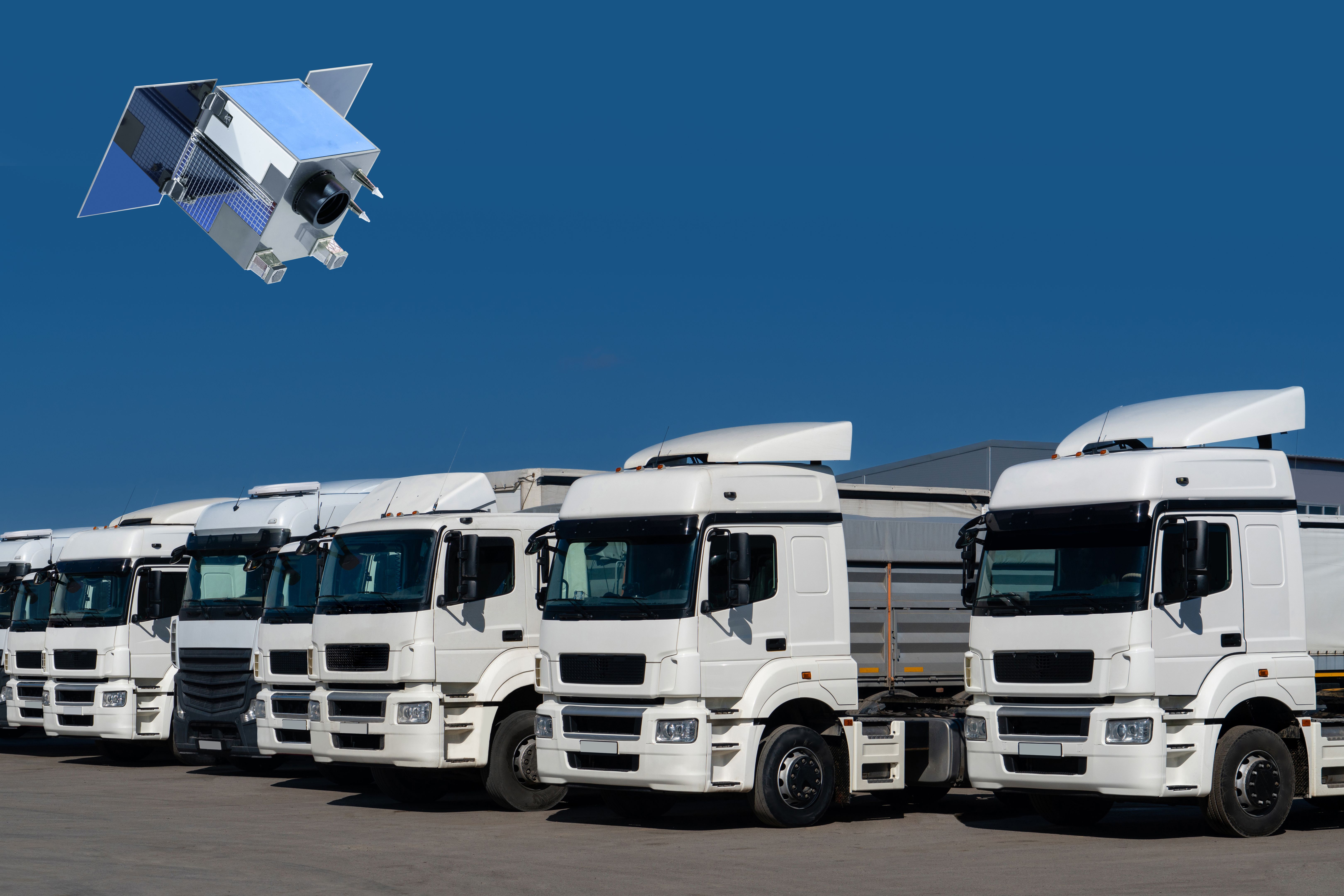
Telematics: The Backbone of Fleet Management
Telematics systems have become essential tools for fleet managers. By combining GPS technology with onboard diagnostics, telematics provides real-time data on vehicle location, speed, and engine performance. This information helps managers make informed decisions to enhance route planning, reduce fuel consumption, and improve driver safety.
Moreover, telematics enables predictive maintenance, allowing fleets to identify potential issues before they become costly problems. This proactive approach minimizes downtime and extends the lifespan of vehicles, ultimately boosting profitability.
Enhancing Safety with Advanced Driver Assistance Systems (ADAS)
Advanced Driver Assistance Systems (ADAS) are revolutionizing safety in motor freight transport. These systems include features such as lane departure warnings, adaptive cruise control, and automatic emergency braking. By assisting drivers in maintaining safe driving practices, ADAS reduces the likelihood of accidents and enhances overall road safety.

Companies investing in ADAS not only protect their drivers but also benefit from lower insurance premiums. As technology continues to advance, the integration of these systems will become increasingly common in fleet vehicles.
Data Analytics: Driving Efficiency and Decision-Making
The integration of data analytics in fleet management provides valuable insights into operations. By analyzing data collected from telematics and other sources, companies can identify trends, optimize routes, and streamline processes. This data-driven approach leads to improved efficiency and reduced operational costs.
- Route optimization for faster deliveries
- Fuel consumption analysis to reduce expenses
- Maintenance scheduling to prevent breakdowns

The Future: Autonomous Vehicles and Electrification
The future of motor freight transport lies in autonomous vehicles and electrification. Self-driving trucks promise to revolutionize the industry by reducing human error and increasing operational efficiency. Although still in developmental stages, autonomous technology is rapidly advancing.
Electrification is another key trend, with electric trucks offering a sustainable and cost-effective alternative to traditional diesel vehicles. As battery technology improves, we can expect a significant shift towards electric fleets, reducing the environmental impact of freight transport.
Conclusion: Embracing Innovation in Motor Freight Transport
Modern fleet technology is shaping the future of motor freight transport. By embracing innovations such as telematics, ADAS, data analytics, autonomous vehicles, and electrification, companies can enhance efficiency, safety, and sustainability. As the industry continues to evolve, staying at the forefront of technology will be crucial for success.